
As we step into 2025, the demand for high-efficiency home solar systems continues to rise. With greater awareness of sustainability and advances in solar energy technology, homeowners are turning to solar-powered energy storage to reduce electricity bills, increase energy independence, and lower their carbon footprint.
☀️ What Is a Home Solar System?
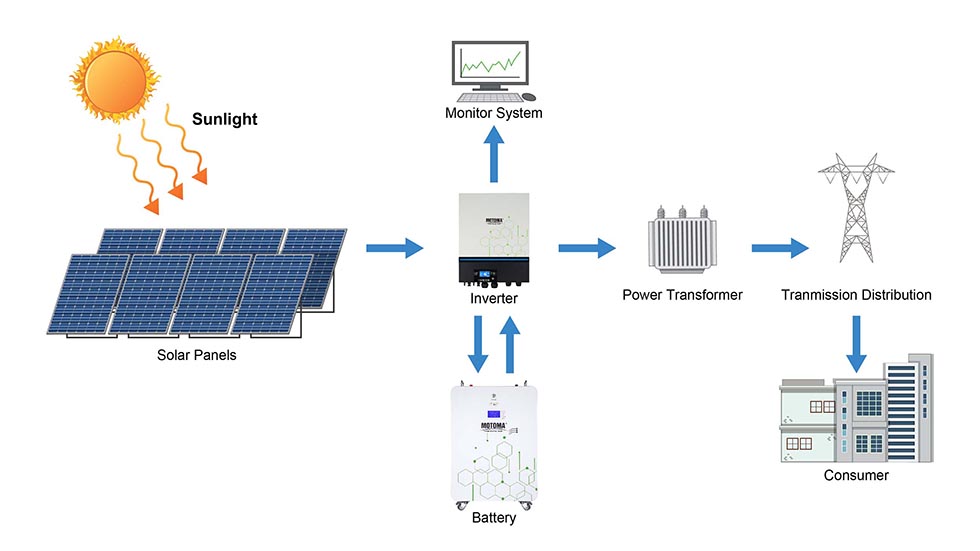
A solar power system converts sunlight into electricity and stores excess energy for future use. A standard system includes:
- Solar Panels: Convert sunlight into DC power. In 2025, top-tier panels offer 20%–25% efficiency with advanced technologies like PERC.
- Inverter: Converts DC into AC power for household appliances. High-end models reach conversion efficiencies of up to 98%.
- Energy Storage Batteries: Lithium-ion or LiFePO4 batteries store energy for use at night or during blackouts. For example, a 10kWh battery powers a household for ~8 hours.
- Mounting Hardware: Secures panels and optimizes angle for max sunlight. Proper tilt can boost output by 10%–20%.
- Controller and Wiring: Manages current flow and system protection.
🔋 The Future of Energy Storage: Intelligent and Powerful Batteries
In 2025, the next-gen home solar systems are powered by smart energy storage units. These systems offer:
- Large Capacity: Supporting entire households for extended hours.
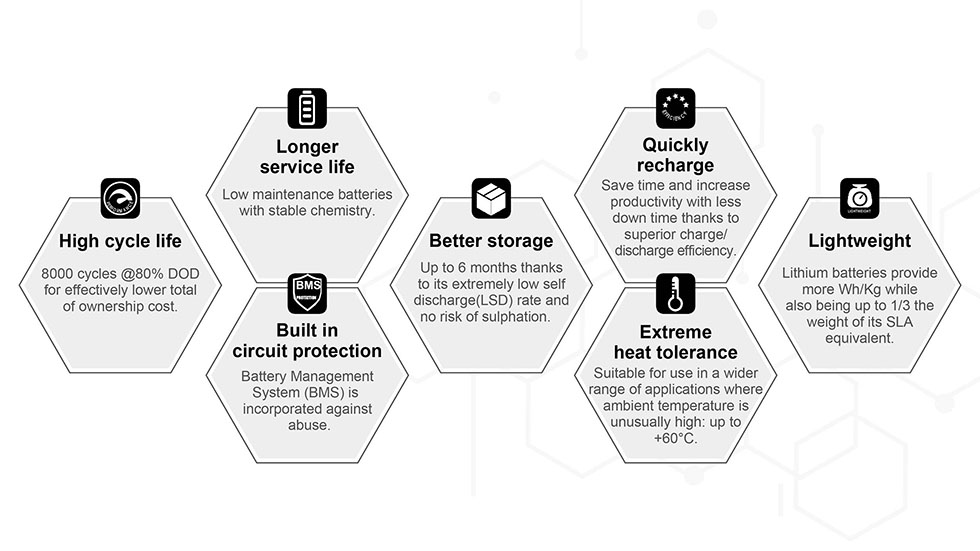
- Long Cycle Life: LiFePO4 batteries like MOTOMA’s 8,000+ cycle models ensure longevity.
- Intelligent Control: Real-time energy tracking, mobile app connectivity, and adaptive optimization.
- Big-Screen Monitoring: Easy visibility of production, storage, and consumption metrics.
These smart systems maximize efficiency while offering reliable performance—even in challenging conditions.
🧠 How to Choose the Right Home Solar System in 2025
Here are the most important criteria when selecting a solar solution:
✅ Solar Panel Efficiency
- Look for high-efficiency modules (20%+).
- Panels with PERC or bifacial technologies offer superior performance in compact space.
✅ Inverter Capabilities
- A quality inverter ensures stable performance.
- Choose inverters with on-grid + off-grid support, like MOTOMA’s dual-mode inverters.
✅ Battery Quality and Lifespan
- Ensure high energy density and deep cycle durability.
- LiFePO4 batteries are preferred for safety, longevity, and environmental impact.
✅ Smart Energy Management
- Systems with Intelligent BMS (Battery Management System) allow users to monitor and control their energy from anywhere.
💡 Why Install a Home Solar System?
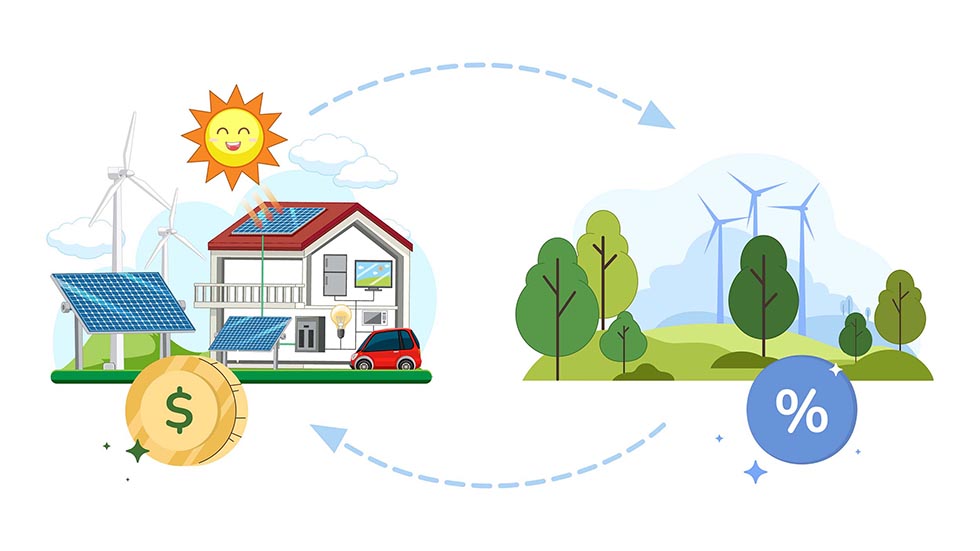
- Slash Your Electric Bills
A 5kW system can save $600–$1,000 annually, depending on location and energy usage. - Enjoy Energy Independence
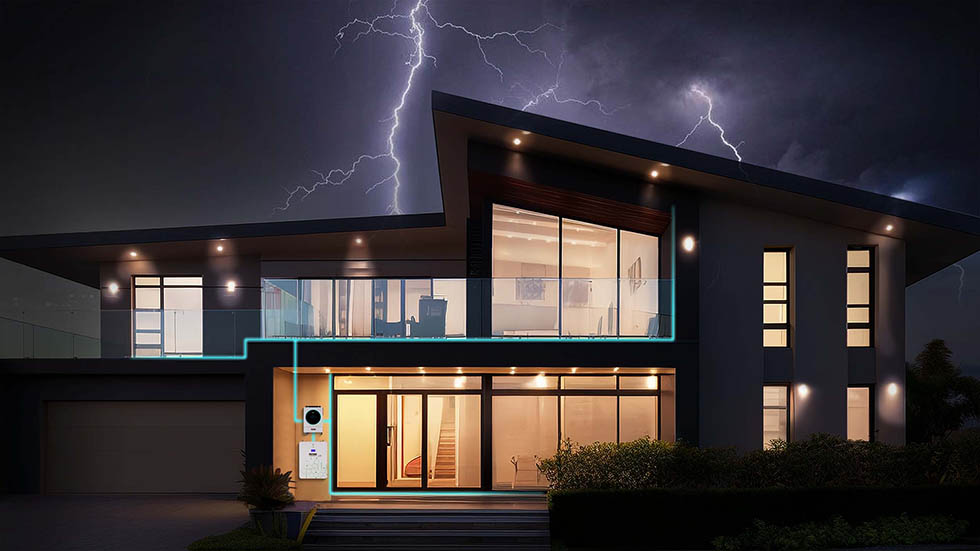
Reliable power—even during blackouts or severe weather events. - Boost Your Property Value
Homes with solar systems sell for 4%–6% more, on average. - Contribute to the Planet
A solar-powered home can reduce CO₂ emissions by 80 tons over 20 years.
❓ Frequently Asked Questions
Q: How much space is required?
A: About 7–10 m² per 1kW. A 5kW system typically needs 35–50 m² of roof space.
Q: What’s the system lifespan?
A: Panels last 25+ years. Energy storage batteries offer 15+ years, with options to upgrade.
Q: Will it work during cloudy weather?
A: Yes! Stored energy from sunny days powers your home during low sunlight, and grid-tied systems provide backup.