
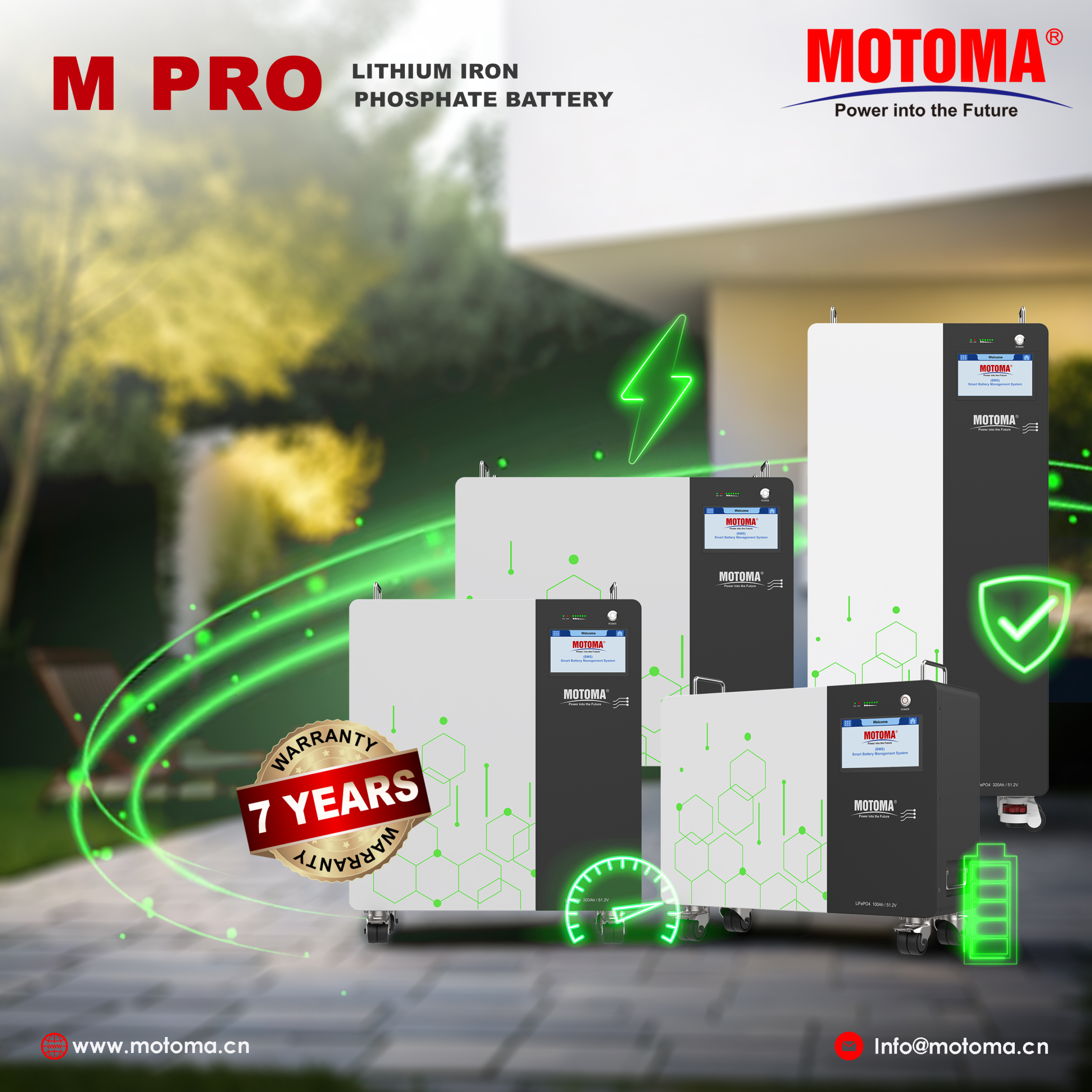
As summer temperatures soar and air conditioners run non-stop, do you ever feel a pinch in your wallet when the electricity bill arrives? What if there was a way to stay cool without burning through your budget? Good news—there is! Home solar energy storage systems are becoming a powerful solution for families looking to cut costs. Not only do they reduce electricity bills significantly, but they also provide reliable backup power during outages. But how hot is this market really? And how do these systems work? Let’s break it down.
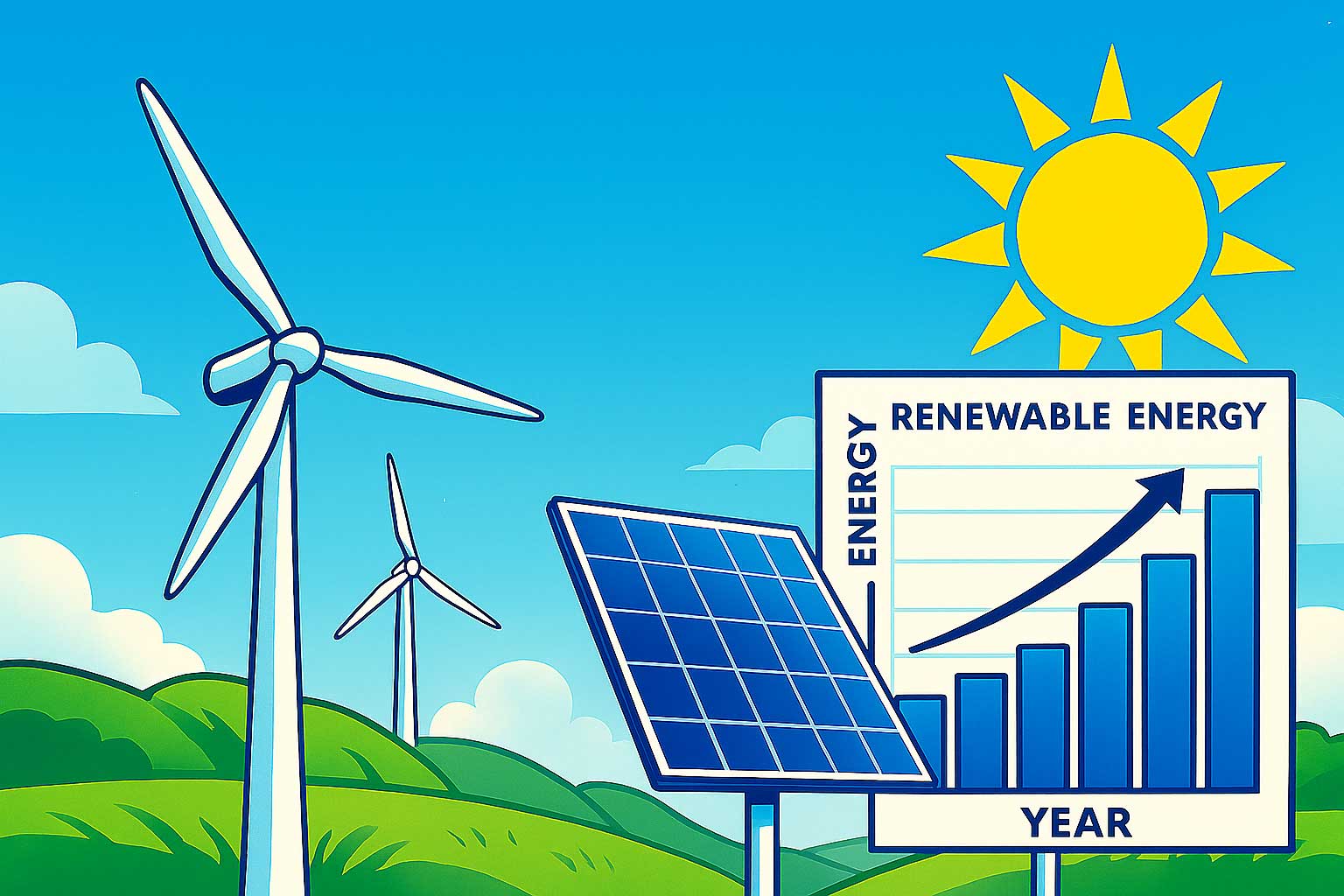
1. Market Pulse: Household Energy Storage Is Booming Globally—China‘s Growth Is Accelerating
Picture this: Solar panels on your roof generate electricity during the day, and any excess energy is stored in a battery to be used at night or during peak-rate periods. That’s the beauty of a home energy storage system. And the global market is exploding:
- Explosive Growth Worldwide: Research shows the sector is surging. According to BloombergNEF, new residential energy storage capacity reached a record high of 25 GWh in 2023, marking a 50% increase from 2022—enough to power over 25 million kilowatt-hours. Projections suggest this figure could exceed 50 GWh per year by 2030. (Source: BloombergNEF 2024 Market Outlook)
- Europe Leads, China Rises: Germany, Italy, and the UK currently dominate due to high electricity prices and a push for energy independence. Meanwhile, China is the fastest-growing market. Government data shows a sharp increase in household storage adoption, especially in solar-rich provinces like Shandong, Zhejiang, and Guangdong. (Source: China National Energy Administration, 2024 Q1 Summary)
- More Affordable Than Ever: System prices have steadily fallen. The biggest cost—batteries, especially lithium iron phosphate (LFP)—has dropped dramatically. As of 2023, global battery pack prices averaged under $140/kWh, nearly half the cost from a few years ago. (Source: Industry consensus from Wood Mackenzie, IEA reports)
- Why It‘s Taking Off:
- Huge Savings on Electricity Bills: Solar power helps avoid high peak electricity prices—especially in regions with wide price fluctuations.
- Greater Energy Independence: Keep your lights on and fridge running during blackouts or extreme weather events.
- Green and Sustainable: Reduce your carbon footprint and use more clean energy.
- Government Incentives: Many regions offer rebates or tax benefits. In China, some provinces provide subsidies or preferential electricity pricing for solar+storage systems.
2. Understand the Tech: Home Energy Storage Isn’t as Complicated as It Sounds
Think of a home solar storage system as a giant, smart power bank for your entire house. Here’s how it works:
Key Components:
- Solar Panels: Mounted on your roof, they convert sunlight into DC electricity.
- Battery Storage: Acts as the system’s energy vault. Most homes now use lithium batteries, with LiFePO4 (LFP) batteries favored for their safety, long lifespan (typically over 6,000 cycles), and efficiency. Lead-acid batteries are largely phased out for home use due to bulkiness and short lifespan.
- Inverter: The brain and translator. It converts DC electricity from solar and batteries into AC power for home appliances. It also manages energy flow—powering devices first, charging batteries next, and sending extra power back to the grid (if grid-tied and allowed).
- Smart Energy Management System: This digital controller monitors performance, optimizes when to charge/discharge (e.g., charge when rates are low, discharge when high), and is often controlled via smartphone apps.
How It Works (Step by Step):
- During the day: Solar panels generate power → Inverter converts to AC → Home appliances use electricity → Excess power charges the battery → If batteries are full, surplus may feed into the grid (if policy allows).
- At night or on cloudy days: Battery discharges → Inverter converts to AC → Appliances run on stored energy. If battery drains, the system seamlessly switches to grid power.
- During peak hours: The system uses stored energy first to avoid expensive peak electricity rates.
- During power outages (with backup/off-grid function): The system disconnects from the grid for safety → Battery continues to supply essential appliances (e.g., lighting, fridge, internet router) via the inverter.
Key Benefits:
- Maximize Solar Usage: Store daytime excess energy for night-time use, reducing reliance on the grid.
- Peak Shaving, Cost Saving: Charge when electricity is cheap (off-peak), discharge when expensive (peak time)—significantly lowering your bill.
- Reliable Backup: Ensure household resilience during blackouts or emergencies.
- Grid Stability: With proper policies and tech, residential systems can support the grid during high demand periods.
3. Buying Guide: How to Choose the Right Home Storage System

With so many options available, what should you look for?
- Battery Type: Always choose LiFePO4 (LFP) batteries for safety and long service life.
- Battery Capacity (kWh): Determine how much energy you want to store. Consider your daily electricity use, essential devices to cover (e.g., just the fridge or also the air conditioner?), and the size of your solar array. Most homes use between 5 kWh and 20kWh. Bigger isn’t always better—aim for right-sized and cost-effective.
- Inverter Power Rating (kW): This affects how much electricity the system can supply at once. Choose an inverter that can handle your maximum simultaneous load (e.g., air conditioner + induction cooker + kettle). Common home inverters range from 5 kW to 11 kW.
- System Efficiency: Some energy is lost during storage and conversion. Choose systems with efficiency above 90% for maximum energy savings.
- Brand & Warranty: Go with reputable brands offering long warranties. Check the battery cycle life (how many full charges before capacity drops) and ensure >6000 Cycles DOD 80%.
- Smart App Control: A user-friendly app can show real-time data and let you set preferences (e.g., charge only during off-peak hours), improving efficiency and cost savings.
- Installation & Support: Choose certified, experienced local installers. Professional design, grid application, and long-term maintenance are essential for reliability.
4. Looking Ahead: Solar Storage Is Becoming a Standard in Smart Homes

Home solar storage is no longer just for the eco-conscious—it’s becoming a mainstream choice. With battery costs falling, smarter systems integrating with EVs and home automation, and supportive policies emerging worldwide, energy storage is poised to be as common as refrigerators and washing machines. It’s set to be the backbone of the modern smart home.
Home solar energy storage is a wise investment for cutting energy costs, achieving energy independence, and enhancing your lifestyle resilience. As global demand rises, technology matures and prices fall, making it more accessible than ever. Understanding how it works—through core components like solar panels, lithium batteries, and inverters—empowers homeowners to make smart, confident decisions. When shopping, prioritize safety (LFP batteries), right-sized capacity, system efficiency, brand reliability, and local support.
Adopting home energy storage isn’t just about savings—it’s a vital step toward a smarter, greener, and more secure future.