

From smartphones and laptops to electric vehicles and power banks, lithium-based batteries are the invisible workhorses of modern life. But there‘s a technical split that often goes unnoticed: some devices are powered by Li-ion (lithium-ion) batteries, while others run on Li-Polymer (lithium-polymer). Though the names are similar, the technologies are quite different. So, which one is better? And what should you choose?
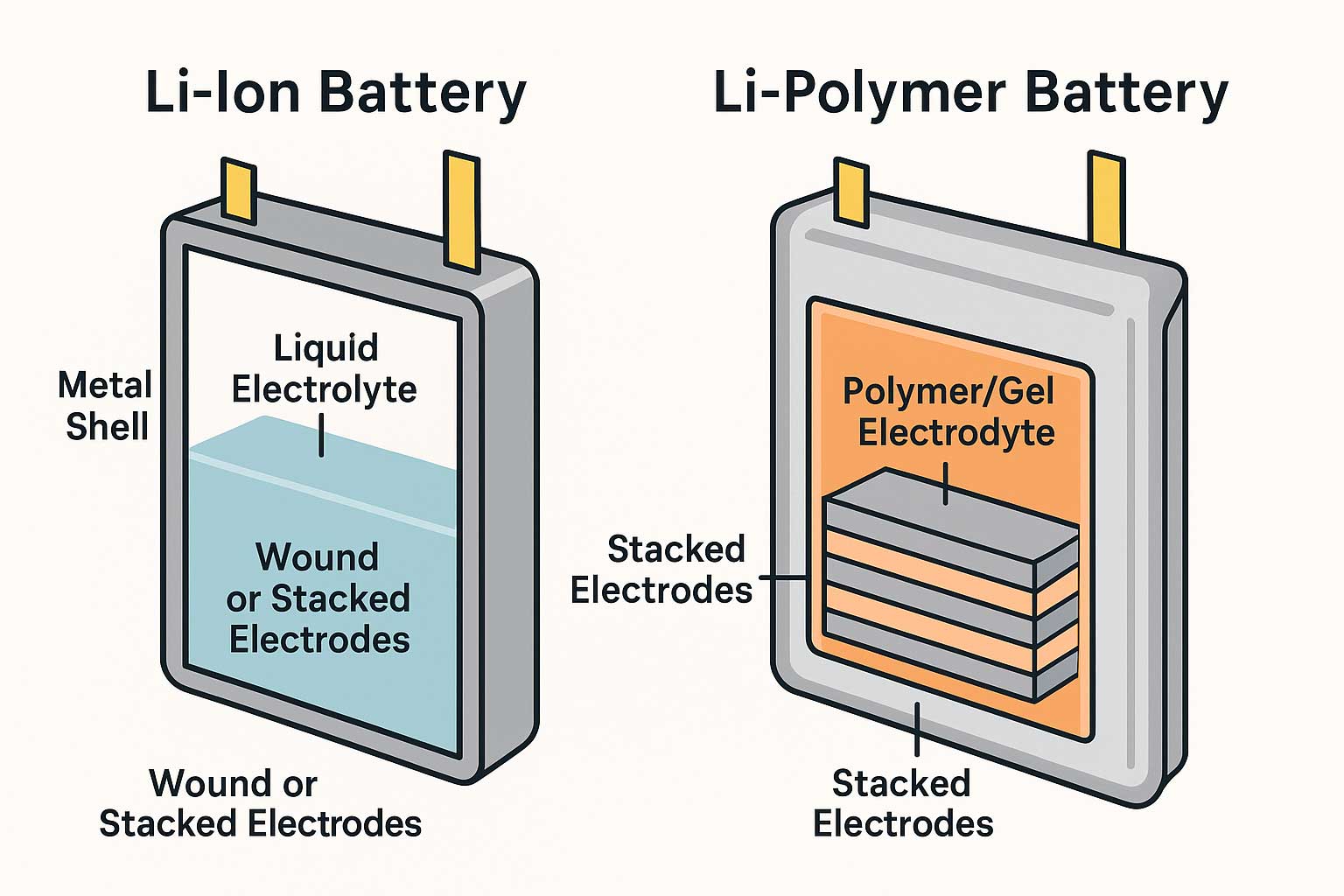
The Key Difference: Electrolyte and Structure
At the heart of every lithium battery are three key elements: a positive electrode, a negative electrode, and an electrolyte that allows lithium ions to move between them during charging and discharging. Here‘s where the real distinction lies:
- Li-ion batteries: use a liquid electrolyte and are typically encased in cylindrical (like 18650) or prismatic hard shells made of metal.
- Li-polymer batteries: use a gel-like or solid polymer electrolyte, allowing for flexible, lightweight pouch packaging.
Performance Face-Off: Li-ion vs Li-Polymer
| Feature | Li-ion | Li-Polymer |
|---|---|---|
| Form Factor | Rigid, fixed sizes | Ultra-thin, flexible |
| Weight | Heavier (metal case) | Lighter (polymer pouch) |
| Energy Density | Up to 300 Wh/kg | 250–280 Wh/kg |
| Safety | Risk of leakage or explosion under stress | Swells under stress but lower explosion risk |
| Cycle Life | 500–1000 cycles | Comparable under similar conditions |
| Cost | Lower due to mature production | Higher due to complex manufacturing |
| Self-Discharge | 1–2% per month | Similar rate |
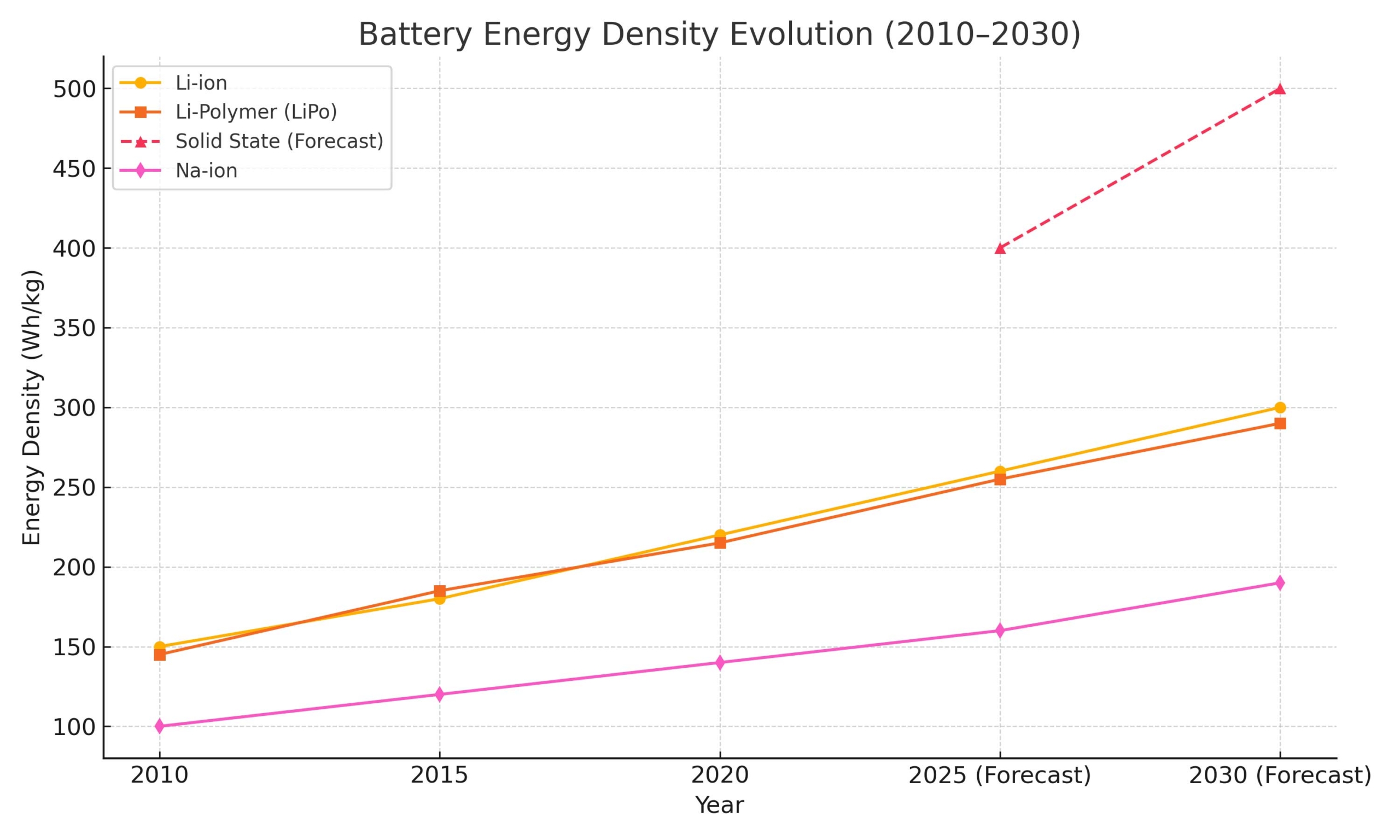
2024 data shows advanced 21700 Li-ion cells rival LiPo in energy density, but LiPo still wins in form factor flexibility.
Where Each Battery Shines
Li-ion (Cylindrical/Prismatic Hard Shell):
- Electric Vehicles
- Power Tools
- Laptops
- Grid Storage
Li-Polymer (Flexible Soft Pouch):
- Smartphones and Tablets
- Wearables
- Drones and RC Models
- Power Banks
Popular Models and Use Cases
Li-ion Common Formats
| Model | Capacity | Voltage | Energy Density | Max Discharge | Use Cases |
|---|---|---|---|---|---|
| 18650 | 2000–3500mAh | 3.7V | 200–250 Wh/kg | 1C–10C | Power tools, older laptops |
| 21700 | 4000–5000mAh | 3.6V | 250–300 Wh/kg | 3C–15C | Tesla EVs, flashlights |
| 4680 | ~9000mAh | 3.7V | 300+ Wh/kg | 5C–10C | Tesla Cybertruck |
Li-Polymer Common Formats
| Model | Capacity | Voltage | Thickness | Energy Density | Max Discharge | Use Cases |
|---|---|---|---|---|---|---|
| 503450 | 1100mAh | 3.7V | 5mm | 220–260 Wh/kg | 1C–3C | Bluetooth earphones |
| 7550100 | 5000mAh | 3.7V | 7.5mm | 240–280 Wh/kg | 1C–5C | Smartphones |
| 9060110 | 8000mAh | 3.7V | 9mm | 250–270 Wh/kg | 3C–10C | Tablets, drones |
| Ultra-thin | 3000mAh | 3.7V | 0.8mm | 180–200 Wh/kg | 0.5C–1C | Smart cards, wearables |
| High-rate | 1500mAh | 3.7V | 4.5mm | ~200 Wh/kg | 50C–100C | Racing drones |
Key Considerations When Choosing a Battery
- Energy Density: Higher Wh/kg means longer runtime
- Form Factor: Slim and light? Choose LiPo
- Discharge Rate: Tools and drones need high-C batteries
- Safety: Always use proper chargers and avoid damage
- Cycle Life: Moderate temps and shallow cycles extend lifespan
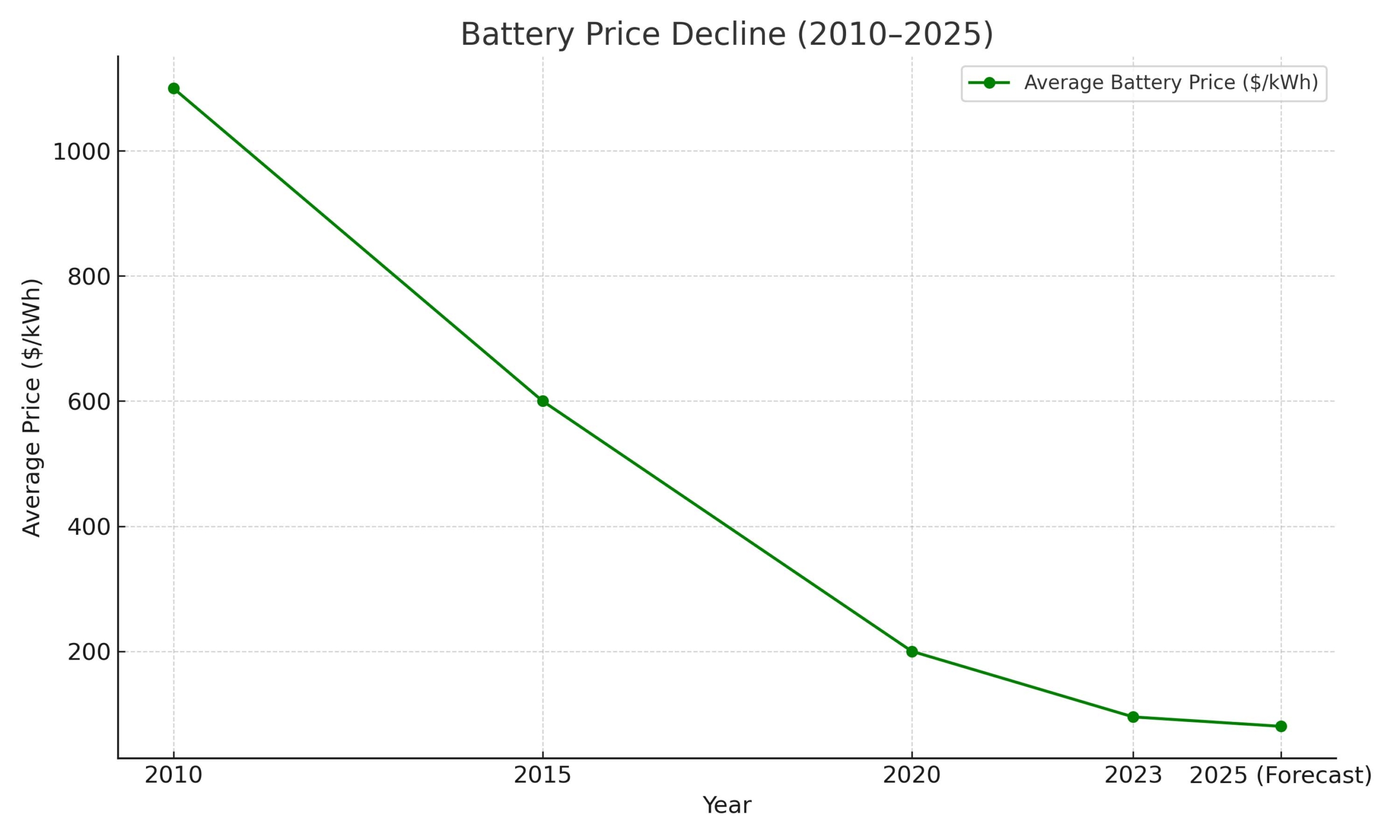
What’s Coming Next? The Battery Future
| Technology | Expected Energy Density | Fast Charging | Status |
|---|---|---|---|
| Solid-state | 400–500 Wh/kg | 80% in 15 min | 2027+ mass production |
| Silicon-anode LiPo | 350 Wh/kg | 70% in 10 min | Commercial in 2025 |
| Sodium-ion | 120–160 Wh/kg | Moderate | Already in use (e-bikes, ESS) |
Final Thoughts: It’s Not About One Winning
Li-ion and Li-polymer aren‘t enemies; they‘re complementary solutions for a tech-driven world. Li-ion reigns where energy density, cost, and robustness matter. LiPo dominates where design freedom and lightweight form factors are key. As materials science advances, we‘ll see hybrids, breakthroughs in solid-state, and ultra-fast charging become the norm.
So next time you pick up your phone or ride your EV, remember: your experience is powered by decades of innovation in battery chemistry. And it‘s only just beginning.