
When people think of solar power, they picture solar panels on rooftops or fields. But behind every efficient solar energy system is a device that rarely gets the spotlight—the photovoltaic inverter. Also known simply as a solar inverter, this critical component converts the raw DC (direct current) electricity generated by solar panels into usable AC (alternating current) electricity for homes, businesses, and the power grid.
Without inverters, solar panels would be practically useless for everyday use. In this article, we’ll explore what photovoltaic inverters do, the main types, and how they’re applied across residential, commercial, and industrial sectors.
What Does a Photovoltaic Inverter Do?
At its core, a photovoltaic inverter performs two major tasks:
- DC to AC Conversion: Solar panels generate DC electricity. Most household appliances and power grids run on AC. The inverter converts this DC power into AC.
- System Management & Safety: Modern inverters also track energy production, detect faults, optimize panel performance, and ensure grid compliance.
Think of the inverter as the brain of your solar system—it manages energy flow and ensures everything runs smoothly.
Types of Photovoltaic Inverters
| Type | Best For | Key Features |
|---|---|---|
| String Inverters | Homes & small businesses | Cost-effective, easy to install |
| Microinverters | Complex roofs or shading issues | Panel-level optimization and monitoring |
| Central Inverters | Utility-scale solar farms | High capacity, used in megawatt-scale systems |
| Hybrid Inverters | Homes with battery storage | Supports solar + battery + grid connections |
| Off-grid Inverters | Remote areas without grid access | Works with solar and battery backup |
Applications of Photovoltaic Inverters
1. Residential Rooftop Systems
Homeowners install solar inverters as part of grid-tied solar systems to reduce electricity bills or achieve energy independence. For example, a typical 5kW system uses a string or hybrid inverter to send power directly into the home or store excess in a battery.
In the U.S., residential solar installations surpassed 6 GW in 2023 alone, with almost all of them requiring inverters.
2. Commercial and Industrial Buildings
Large facilities such as warehouses, office buildings, and factories use three-phase inverters or multiple string inverters to handle higher power loads. These systems are often designed to lower operational costs and meet sustainability goals.
Case Study: A 500 kW commercial solar project in Germany uses a combination of string inverters and monitoring systems to power a refrigerated logistics center.
3. Utility-Scale Solar Farms
Photovoltaic inverters are essential for feeding massive amounts of power from solar farms into the national grid. Central inverters (500 kW–2 MW capacity) are commonly used in these applications due to their efficiency and cost-effectiveness.
China, India, and the U.S. are leading countries in solar farm deployment, with gigawatt-level installations growing annually.
4. Remote and Off-Grid Areas
In places without stable electricity access, photovoltaic inverters enable solar systems to provide clean and consistent power. Off-grid inverters often work in tandem with batteries and backup generators.
Solar microgrids with inverters are transforming rural electrification in Africa and Southeast Asia.
How to Choose the Right Inverter?
Choosing the right photovoltaic inverter depends on several factors:
- System Size: Larger systems may require central or three-phase inverters.
- Shading Conditions: Microinverters work better in shaded or multi-angle installations.
- Battery Integration: Hybrid inverters are necessary for energy storage systems.
- Budget & Monitoring Needs: Some inverters offer real-time app-based performance tracking.
| Recommend Model | Rated Power | Parallel Capability | AC Voltage | Voltage Range (PC / Appliances) | Peak Efficiency | Surge Power |
|---|---|---|---|---|---|---|
| Axpert MAX TWIN 8K | 8000 VA / 8000 W | Up to 6 units | 230 VAC | 170–280 VAC / 90–280 VAC | 93% | 16 000 VA |
| Axpert MAX TWIN 11K | 11 000 VA / 11 000 W | Up to 6 units | 230 VAC | 170–280 VAC / 90–280 VAC | 93% | 22 000 VA |
Future Trends in Photovoltaic Inverters
- Smart Inverters: Equipped with AI algorithms for predictive maintenance.
- Higher Efficiency: New models now reach over 98.5% conversion efficiency.
- Grid Services: Some advanced inverters help stabilize the grid by managing voltage and frequency.
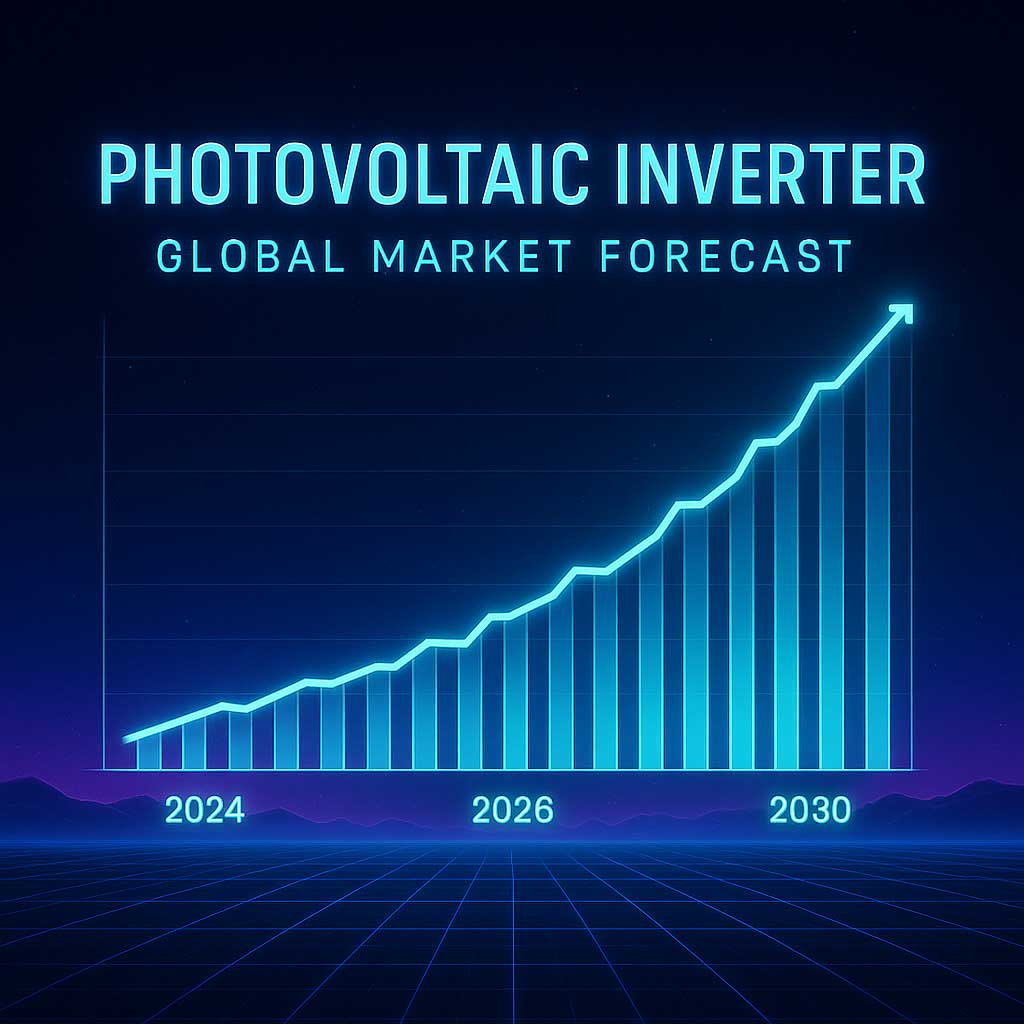
The photovoltaic inverter may not be as visible as solar panels, but it’s one of the most crucial parts of a solar energy system. Whether it’s powering your laptop at home or delivering megawatts to a national grid, inverters make solar electricity usable, reliable, and smart.
As solar power continues to rise globally, the demand for high-performance inverters will grow along with it. Understanding their role helps homeowners, engineers, and policymakers make better energy decisions.